Website Development
Website development is key to building a strong online presence. A well-designed, responsive site improves user experience, supports SEO, and helps businesses attract and convert customers. Investing in professional website development drives growth and credibility in today’s digital world.
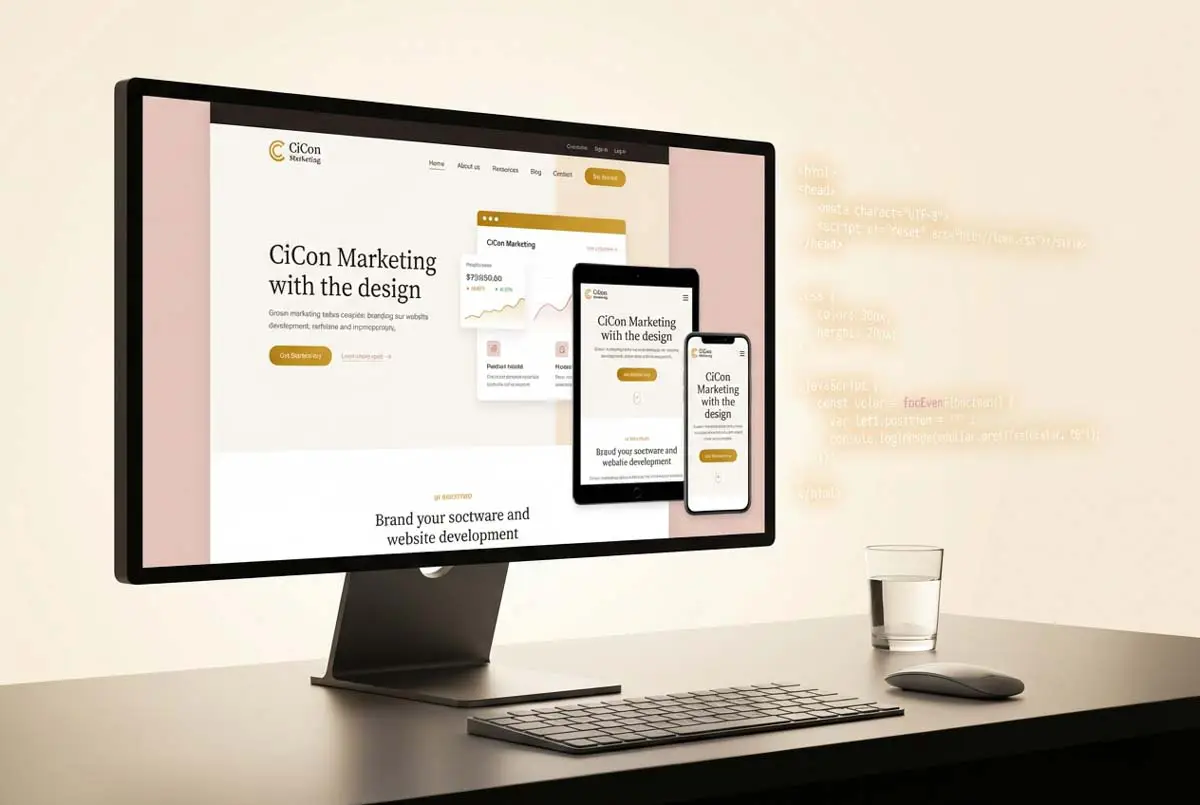
Introduction to Website Development
In today’s digital world, website development is the foundation for establishing a strong online presence. Whether you want to create a website for your business, personal brand, or a complex web application, understanding the basics of web development is essential for success. Website development refers to the process of building, designing, and maintaining websites and web apps that people interact with through their devices. This process involves a combination of creativity and technical skills, bringing together different components such as layout, navigation, and server side logic to deliver a seamless experience for visitors.
At its core, website development is divided into two main types: front end and back end. Front end developers focus on the parts of the website that users see and interact with, using languages like HTML, CSS, and JavaScript to craft visually appealing pages and intuitive navigation. On the other hand, back end development deals with the server side logic, databases, and the behind-the-scenes processes that make websites perform reliably and efficiently. Technologies like Python, PHP, and MySQL are commonly used to manage data and ensure that everything runs smoothly.
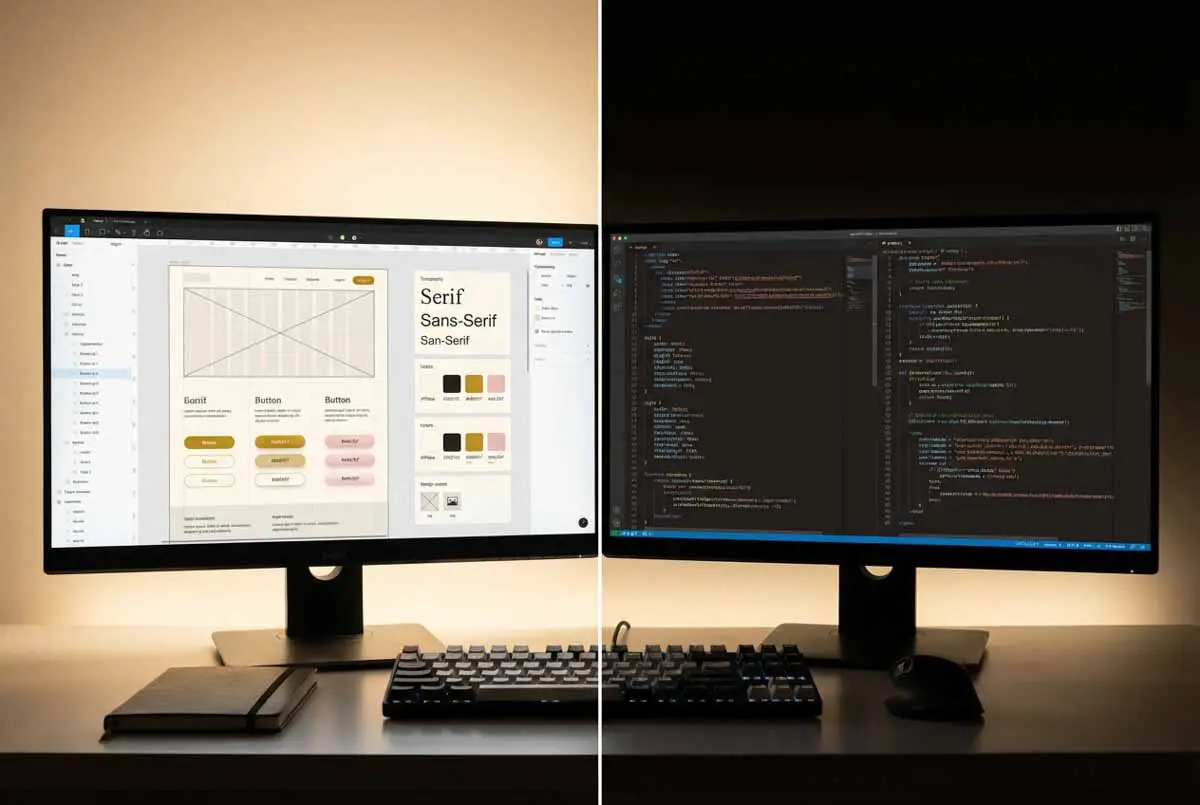
Selecting the right domain, choosing templates, and deciding on a content management system—such as WordPress, Joomla, or Drupal—are crucial steps when you set out to create a website. These platforms offer hundreds of templates and tools that can help both beginners and experienced developers adapt their sites to specific requirements. For those interested in improving their development experience, online courses and expert guidance can provide valuable insights into best practices and the latest trends.
Hiring skilled developers who are familiar with both the front end and back end is often the best way to ensure your website meets your goals. Their strengths in different languages and methods can help boost your site’s performance, resolve issues, and deliver a result that reflects your vision. No matter the size or complexity of your project, understanding the different components of website development will help you make informed decisions and achieve lasting success online.
Built-in Marketing Tools
CiCon Marketing seamlessly integrates powerful built-in marketing tools into your website to enhance tracking, monitoring, and overall campaign performance. By leveraging industry-leading platforms such as Google Analytics 4 (GA4), Google Tag Manager (GTM), and Google Search Console (GSC), we provide comprehensive insights into user behavior, traffic sources, and site performance. These tools enable precise measurement of key metrics, allowing businesses to optimize their marketing strategies effectively. Our expert team configures and customizes these tools to align with your specific goals, ensuring accurate data collection and real-time reporting. With CiCon Marketing’s integration of advanced marketing tools, you gain a solid understanding of your audience’s interactions, enabling data-driven decisions that improve conversion rates and maximize ROI. This marketing-first approach ensures your website not only attracts visitors but also converts them into loyal customers through informed optimization and continuous performance monitoring.

High Converting Website for All Devices
Content creation for web development is a vital step in building websites that effectively engage your target audience and enhance your online presence. High-quality web content not only informs and captivates visitors but also plays a crucial role in improving your site’s search engine rankings. By integrating strategic keyword optimization and aligning content with the overall web design process, businesses can create compelling marketing materials such as blog posts, social media posts, and landing pages that resonate with users. Effective content creation requires collaboration between web developers, content creators, and marketing teams to ensure that the messaging supports the website’s goals while maintaining a seamless user experience. Additionally, well-crafted content supports other aspects of website development, including SEO-friendly site structure and user interface design, ultimately contributing to a successful final product that drives traffic and conversions.
Content Creation for Web Development
Designing a marketing-first website is essential for businesses aiming to maximize their online impact and drive conversions. This approach focuses on integrating strategic marketing elements directly into the website development process, ensuring that every page, from landing pages to product showcases, is optimized to attract and engage the target audience. By combining user interface design with built-in marketing tools such as Google Analytics, Tag Manager, and Search Console, a marketing-first website enables precise tracking of user behavior and campaign performance. Additionally, responsive design and SEO-friendly site structure enhance visibility on search engines, while compelling web content tailored to user intent boosts engagement and conversion rates. Collaborating closely with web developers, marketers, and content creators ensures that the website not only looks appealing but also functions as a powerful marketing asset that supports business growth and delivers measurable results.
Designing a Marketing-First Website
At CiCon Marketing, we understand that a successful website goes beyond aesthetics—it must be a powerful marketing tool that drives business growth. Our approach to website development integrates marketing strategies at every stage, from initial planning to launch and beyond. We focus on creating responsive websites optimized for search engines, ensuring your site ranks well and attracts targeted traffic.
By leveraging built-in marketing tools like Google Analytics, Tag Manager, and Search Console, we provide detailed insights into user behavior and campaign performance, enabling data-driven decisions that maximize ROI. Our expert team crafts compelling web content tailored to your target audience, enhancing engagement and conversion rates. With CiCon Marketing, your website becomes a dynamic platform that not only showcases your brand but also generates leads, nurtures customer relationships, and supports your overall marketing goals.
Website Development Process
The website development process is a comprehensive journey that involves multiple stages, from initial planning to the final launch and ongoing maintenance. It begins with defining clear project goals and creating a sitemap and wireframe to outline the site’s structure and user flow. Next, front end development focuses on building the user-facing elements using programming languages like hypertext markup language (HTML), cascading style sheets (CSS), and JavaScript to create responsive web pages that users interact with seamlessly. Meanwhile, back end developers work on server-side logic, database management, and application programming interfaces (APIs) to ensure smooth data handling and secure user authentication.
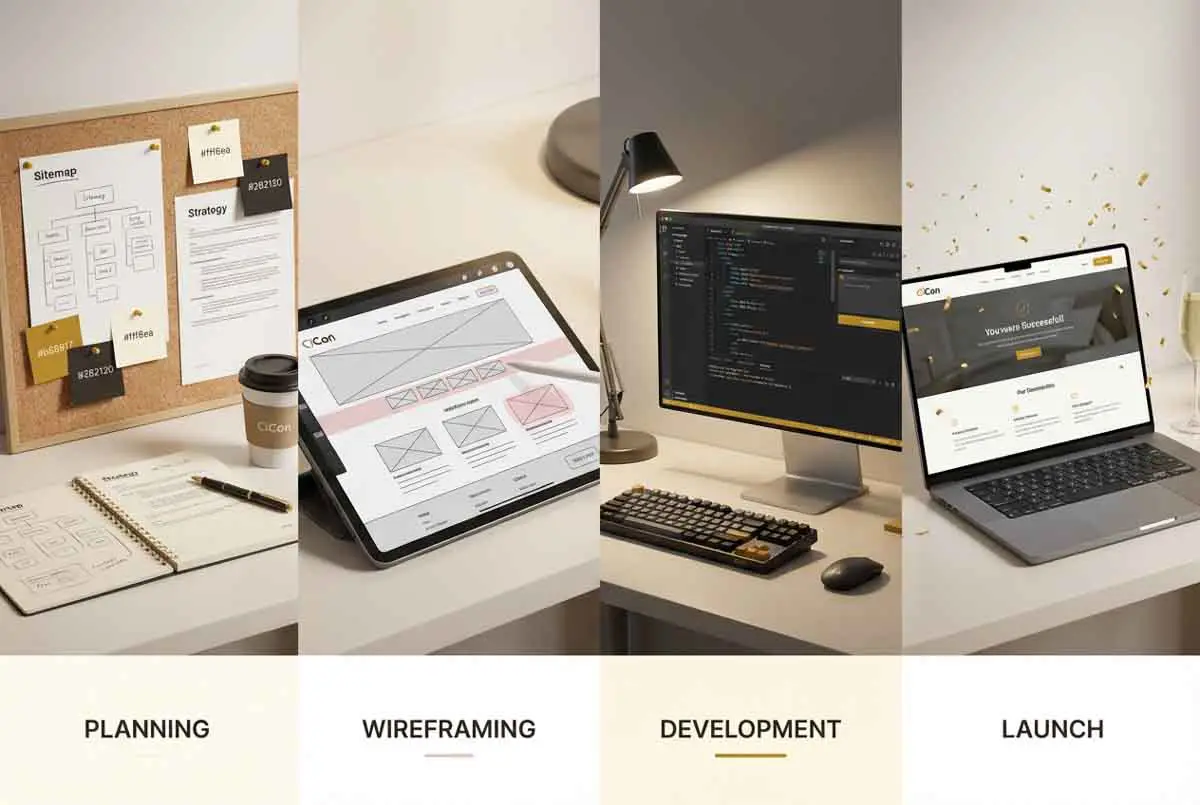
Collaboration among web development teams, including web designers, front end developers, and full stack developers, is essential to integrate visual design, interactive elements, and functionality effectively. Throughout the process, version control systems and security measures are implemented to safeguard data and maintain code integrity. Understanding this structured web development process empowers aspiring developers and businesses alike to create high-quality websites and enterprise level web applications that deliver exceptional user experiences and align with industry trends.
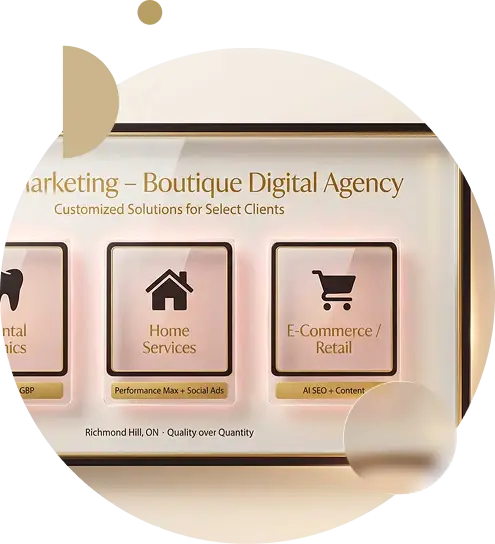
Landing Page Development Services for Generating More Leads
Landing pages play a crucial role in converting website visitors into valuable leads, making them an essential part of any successful website development strategy. At CiCon Marketing, we specialize in creating high converting landing pages tailored to your business goals and target audience. Our expert team combines user interface design, responsive websites, and compelling web content to craft pages that engage users and encourage action. By integrating built-in marketing tools and optimizing site structure for search engines, we ensure your landing pages not only attract traffic but also boost lead generation effectively. Whether you're aiming to promote a product, service, or campaign, CiCon Marketing's landing page development services provide a solid foundation for driving conversions and growing your customer base.
Frequently Asked Questions About Website Development
What is website development and why is it important?
Website development is the process of creating, building, and maintaining websites and web applications that users interact with through their devices. It involves both front end development, which focuses on the user interface and experience, and back end development, which manages server-side logic and databases. A well-developed website improves user engagement, supports SEO, and helps businesses grow their online presence effectively.
How can CiCon Marketing help with my website development project?
CiCon Marketing offers comprehensive website development services that integrate marketing strategies at every stage. From responsive design and SEO-friendly site structure to built-in marketing tools like Google Analytics and Tag Manager, CiCon Marketing ensures your website not only looks great but also drives traffic and conversions. Their expert team collaborates closely with clients to deliver high-performing websites tailored to specific business goals.
What are the key stages in the website development process?
The website development process typically includes defining project goals, planning site structure with sitemaps and wireframes, front end development using HTML, CSS, and JavaScript, back end development involving server-side logic and database management, testing for functionality and security, and ongoing maintenance. Collaboration among web developers, designers, and marketers is essential to produce a successful final product.
What programming languages are commonly used in website development?
Front end web development primarily uses HTML (Hypertext Markup Language), CSS (Cascading Style Sheets), and JavaScript to create interactive and responsive web pages. Back end development involves languages such as Python, PHP, and SQL for database management and server-side logic. Full stack developers are skilled in both front end and back end programming languages to manage complete web projects.
How do I choose the right content management system (CMS) for my website?
Choosing the right CMS depends on your website’s complexity, scalability needs, and your team's technical skills. Popular CMS options like WordPress, Joomla, and Drupal offer various templates and plugins for customization. CiCon Marketing can assist in selecting and implementing the best CMS platform to ensure your website is easy to manage and optimized for search engines.
What security measures should be considered during website development?
Securing data and protecting your website from vulnerabilities is critical. Best practices include implementing SSL certificates, regular security audits, secure user authentication, and safeguarding against threats like SQL injection and cross-site scripting (XSS). Employing these security measures during development helps maintain user trust and ensures compliance with industry standards.