Google Ads generates immediate patient inquiries, while SEO builds a more profitable long-term asset. For a dental clinic in 2026, the choice is not about which is better, but which to prioritise — and when. A well-designed dental marketing strategy integrates both channels, using speed where revenue is needed now and compounding where authority is built for years.
Google Ads offers speed and control, putting your clinic in front of patients actively searching for services like "emergency dentist" or "Invisalign cost" right now. This makes it the superior tool for rapid lead generation. Conversely, SEO is the process of earning visibility in organic search results — a slower, more methodical investment in your clinic's digital foundation that attracts a steady stream of high-quality patients at a lower long-term cost per acquisition.
This guide provides a data-driven comparison of Google Ads and SEO for dental clinics, examining costs, timelines, and expected returns for each. We will analyse how to allocate your budget effectively and how to integrate both channels into a cohesive strategy that drives measurable growth for your practice in the competitive Canadian market.
Google Ads for Dentists: Immediate Patient Acquisition
Google Ads is a pay-per-click (PPC) advertising platform and the fastest method to place your dental clinic at the top of Google’s search results. When a potential patient in your service area — Richmond Hill or Toronto — searches for a high-intent keyword like "dental implants near me" or "teeth whitening cost," your ad can appear instantly. This immediacy allows you to generate phone calls and appointment requests from day one. A typical campaign involves bidding on keywords specific to high-value procedures, with CPCs for competitive dental terms in the GTA ranging from $6 to over $20.
conversion rate from click to lead achievable with a well-structured dental Google Ads campaign — success depends on compelling ad copy, precise geo-targeting, and high-converting landing pages
Google Keyword Planner Data, 2026
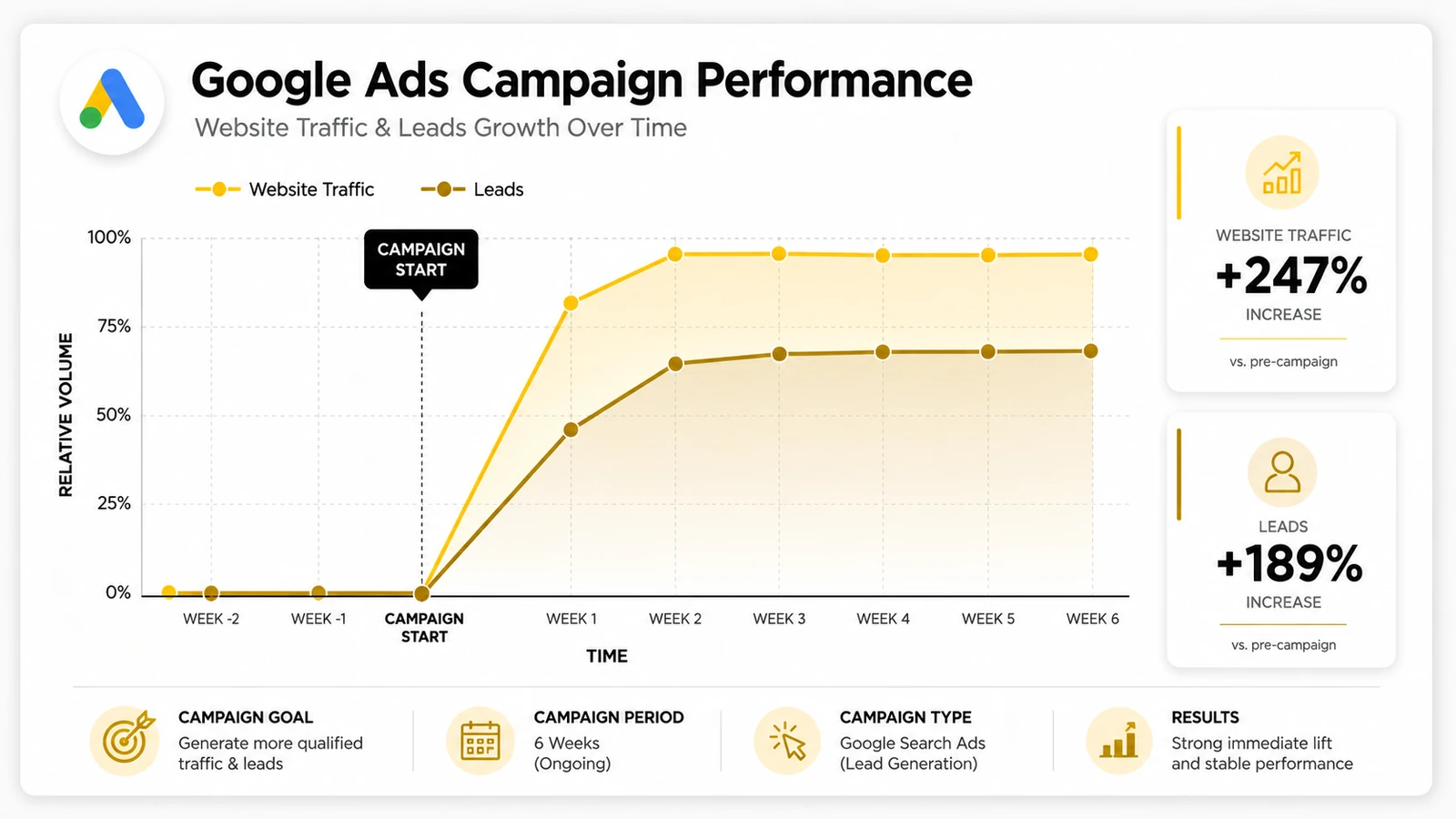
The platform’s strength lies in its control and measurability. You can set exact daily or monthly budgets, and every click, call, and form submission can be tracked using Google Analytics and dedicated call-tracking software. This data allows for continuous optimisation — refining keywords, ad creative, and landing page elements to improve Return on Ad Spend (ROAS). For clinics targeting patients under the Canadian Dental Care Plan (CDCP), Google Ads offers the precision needed to reach this specific demographic with tailored messaging.
SEO for Dentists: Building a Long-Term Digital Asset
Search Engine Optimization (SEO) is the strategic process of optimising your clinic’s website to rank organically in search results. Unlike Google Ads, where visibility disappears the moment you stop paying, SEO builds a durable digital asset that generates patient leads for years. SEO delivers the highest long-term ROI by establishing trust and authority with both Google’s algorithm and potential patients — it is the foundation of any strong dental marketing strategy, not a supplementary tactic.
Effective dental SEO focuses on four key areas: Local SEO (optimising your Google Business Profile to dominate the Map Pack for searches like "dentist in Vaughan"), on-page SEO (detailed service pages for procedures like root canals or cosmetic dentistry), high-quality content (blog posts addressing patient concerns), and technical SEO (fast, secure, and mobile-friendly site performance). A modern AI SEO strategy adds a fifth layer — structuring content for AI Overviews and conversational search queries that are increasingly influencing how patients discover dental clinics.
close rate for leads generated through SEO — compared to just 1.7% from outbound marketing — because patients who found you actively were already seeking information
Ahrefs/Moz Industry Study
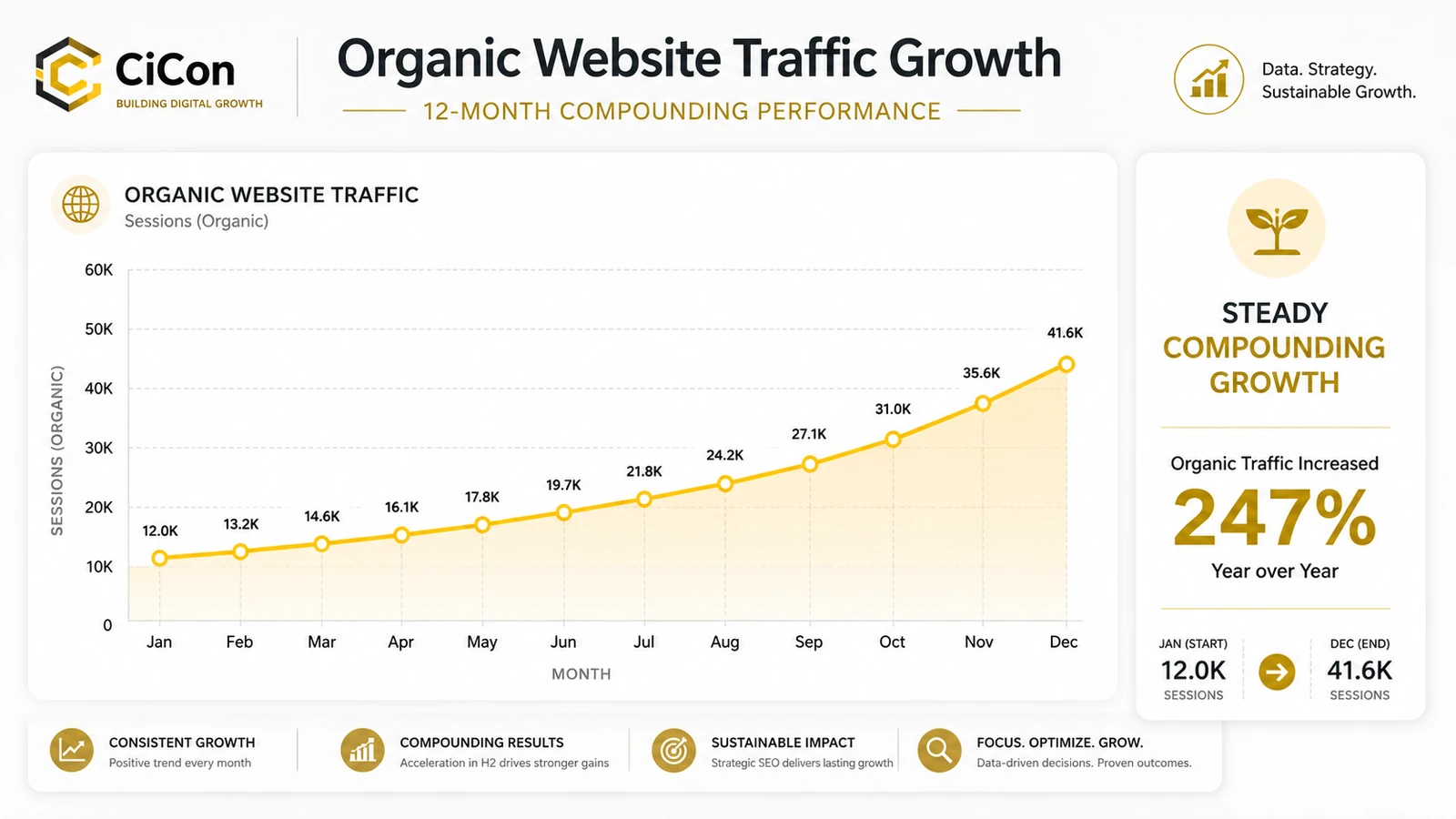
While the results are not immediate — significant traction typically takes 6 to 12 months — the benefits are compounding. Industry studies show that organic results capture over 70% of all search clicks. By month 12 of a consistent SEO investment, a dental clinic could be generating 30 or more organic leads per month without any additional media spend, creating a far more profitable and sustainable patient acquisition engine.
Cost vs. ROI: A 2026 Comparison
Choosing between Google Ads and SEO requires a clear understanding of the financial commitment and expected returns. While one provides immediate cash flow, the other builds long-term enterprise value. Here is a direct comparison for a dental clinic operating in the competitive GTA market.
| Metric | Google Ads | SEO (Search Engine Optimization) |
|---|---|---|
| Time to Results | Immediate (24–48 hours for setup) | Long-term (6–12 months for significant results) |
| Cost Model | Pay-per-click (ongoing media spend + management fee) | Monthly retainer or project fee (investment in an asset) |
| Monthly Budget (GTA) | $2,000 – $10,000+ (depending on competition) | $2,500 – $7,000+ (all-inclusive of content & technicals) |
| Cost Per Lead | Higher initially ($50 – $150 per lead) | Decreases over time (can become <$20 per lead) |
| Long-Term Value | Low (traffic stops when you stop paying) | High (compounding, durable digital asset) |
| Control & Scalability | High (instantly adjust budget, keywords, and targeting) | Moderate (dependent on algorithm changes, scales over time) |
| Patient Trust Factor | Moderate (users recognise it is a paid advertisement) | High (organic ranking implies authority and credibility) |
For a new clinic needing to fill chairs quickly, the higher cost-per-lead from Google Ads is a necessary expense. A clinic might spend $5,000 in one month to generate 50 new patient leads — if 10 become patients with an average first-year value of $1,000 each, the $10,000 in revenue yields a 2x ROAS. That same $5,000 invested in SEO might not produce significant leads for six months. However, by month 12, those SEO investments could be generating 30 or more organic leads per month at near-zero marginal cost.

Integrating Ads & SEO: A Unified Dental Marketing Strategy
An advanced approach transcends the "Google Ads vs. SEO" debate and integrates them into a single, powerful system. Using both channels in concert allows a dental clinic to dominate the search engine results page, mitigate risks, and maximise ROI. When a patient searches for a high-value service and sees your clinic listed in the paid ads, the Google Map Pack, and the #1 organic result, it creates overwhelming authority.
One effective integration is using Google Ads for keyword and offer testing. Before investing six months in SEO content around "all-on-four dental implants," run a two-week Google Ads campaign first. The click-through and conversion data will validate patient demand and reveal the exact language that resonates — providing a data-driven blueprint for your SEO content strategy.
Another powerful tactic is retargeting. A potential patient might find your blog post on "the benefits of Invisalign" via organic search, read it, but not book a consultation. Through targeted paid advertising, you can show that same user a compelling visual ad for a "Free Invisalign Scan" as they browse social media or other websites — converting demand that SEO generated into booked appointments efficiently.
Final Recommendation
For a new dental clinic or one with annual revenue under $1 million seeking immediate patient flow, the optimal strategy is a 70/30 budget split favouring Google Ads for the first 12 months. This approach uses ads to generate essential revenue and validate service demand while a foundational SEO campaign builds in the background.
For an established clinic with revenue over $1 million and a stable patient base, the priority should shift. A 40/60 budget split favouring SEO is the recommended path to building a dominant, long-term digital asset that lowers patient acquisition costs and increases enterprise value. Google Ads can then be used more strategically for high-value procedures or to combat new competitors.
At CiCon Marketing, we implement this phased approach for every dental client — securing quick wins and measurable ROI with targeted ad campaigns while simultaneously constructing a powerful SEO foundation. Your clinic becomes the go-to authority in your market for years to come, not just this quarter. If you are ready to build a predictable patient acquisition system, let's talk.