
For most Canadian businesses under $5M revenue, meta ads run by a specialist agency are a more powerful and trackable growth lever than classic in-house marketing. If you've ever boosted a Facebook post yourself, or hired an agency that reported on impressions instead of booked appointments, this guide cuts through the noise with real data and direct comparisons — not vague promises about visibility. Meta advertising includes paid placements across Facebook, Instagram, Stories, Reels, and the Audience Network, all managed through a single paid advertising platform.
CiCon Marketing is a Richmond Hill boutique agency, founded in 2023 and led by a strategist with 14+ years of experience and 250+ completed projects, focused on accountable meta ad campaigns for local and national Canadian brands. Every engagement is built around measurable outcomes: qualified leads, booked appointments, and ROAS — not reach and likes.
How Meta Ads Work in 2026: Facebook and Instagram Ecosystem
Meta Ads Manager is where every campaign starts. You create a campaign and choose an objective — Sales, Leads, Engagement, or Traffic — then build ad sets that define your audience and daily budget, then place individual ads within each set. Meta’s algorithm handles delivery, using machine learning to show each ad to users most likely to take your target action. Automatic placements across Facebook, Instagram, Messenger, and the Audience Network typically outperform manual selection on cost per result — which is why most specialists let the system distribute delivery. Ad formats include single image, video, carousel (multiple swipeable images or videos), collection ads, and lead generation forms that collect customer info without leaving the platform.
For tracking, the meta pixel records visitor actions on your website while the Conversions API sends server-side data directly to Meta — bypassing browser-blocking issues. Running both with proper deduplication is the 2026 standard for any serious paid social campaign. Without this dual tracking layer, your cost-per-lead data is unreliable and optimization stalls. Building custom audiences and lookalike audiences also depends on the pixel firing correctly — which is why tracking setup is the first thing CiCon audits before any new campaign.

What In-House Marketing Actually Covers — And What It Misses
For a typical Ontario SMB, in-house marketing means one coordinator handling organic Facebook and Instagram posts, email newsletters, website updates, local networking, and occasional print or radio. These teams know the brand deeply, have direct access to the sales team for fast approvals, and manage reputation and community well. The strategy works for brand maintenance — but it’s not built for predictable lead generation at scale.
The gaps appear fast when you compare against meta ads specialists. In-house teams rarely run structured A/B tests, default to ‘Boost Post’ from their Facebook page (which produces high CPM and poor audience targeting), seldom implement the meta pixel correctly, and miss Conversions API entirely. They can’t build lookalike audiences from CRM exports or manage creative fatigue across multiple ad sets. A single in-house coordinator cannot cover campaign structure, creative testing, tracking setup, and analytics reporting simultaneously — not at the pace meta advertising demands.
Meta Ads vs In-House Marketing: Direct Comparison
This is the section to reference when deciding where to put your next $5,000–$10,000 in marketing spend. The data is consistent across Canadian SMBs. Here are the critical factors:
- Cost predictability: Meta ads track CPL weekly; Ontario service CPLs run $25–$95. In-house marketing makes it hard to attribute costs to specific leads from events, print, or referrals — so spend accumulates without attribution.
- Speed of testing: New creative and audience tests go live within 48–72 hours with meta campaigns. In-house teams need weeks to months to run comparable tests — if they run them at all.
- Audience targeting depth: Meta targets using demographics, interests, behaviours, custom audiences (email lists, site visitors), and lookalike audiences. In-house typically means organic reach and manual outreach.
- Tracking and attribution: Meta pixel plus Conversions API linked to your CRM gives ad-level attribution. In-house typically relies on Google Analytics at best — no way to know which activity drove which lead.
- Scalability: When ROAS is proven, meta campaigns scale from $50/day to $500/day in days. Owner or coordinator in-house marketing doesn’t scale linearly with budget, and often requires adding headcount.
A Richmond Hill home services company moved to structured meta campaigns and dropped their cost per lead 42% in 90 days — while monthly leads stabilised at 45–60 qualified inquiries per month.
CiCon client data, 2026
CPL and ROAS Benchmarks for Canadian Businesses in 2026
Benchmark your results against these 2026 ranges for Canadian businesses. Every number should flow from your CRM or call-tracking solution into your ad reporting — so you see actual revenue, not just clicks and impressions.
- HVAC & Plumbing: $55–$95 CPL and 3–7x ROAS. If you’re paying more, the issue is usually landing page misalignment or slow follow-up — not the campaign structure.
- Roofing & Renovation: $70–$120 CPL and 3–5x ROAS. Higher ticket values justify the cost, but only when the full attribution chain is properly connected.
- Salons & Spas: $25–$50 CPL and 4–8x ROAS. Proximity targeting and strong visual creative drive efficiency here — short video performs particularly well.
- Dental & Healthcare: $25–$75 CPL and 3–6x ROAS. Some of CiCon’s most consistent performers — especially for new-patient acquisition with proper custom audience targeting.
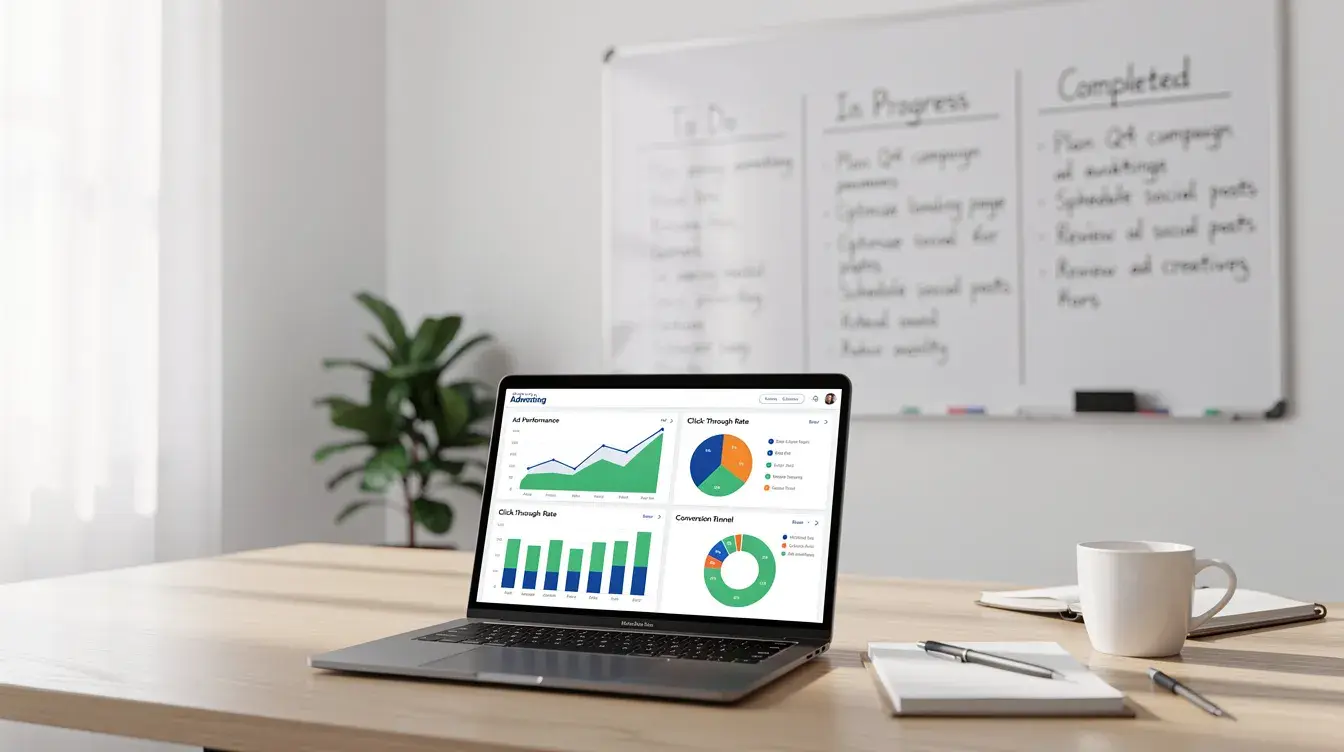
Cost Breakdown: Meta Ads Spend vs Hiring In-House
Most owners underestimate the true cost of an in-house hire and overestimate the risk of ad spend. Here is what each model actually costs a Canadian SMB monthly:
- Meta ads with a specialist agency: typically $3,500–$8,000/month in combined ad spend and management — full campaign setup, creative, tracking, weekly reporting, and landing page guidance. At CiCon, Meta Ads management starts at $700 CAD/month; ad spend is excluded and setup is not included.
- Hybrid model — in-house team plus agency support: $5,000–$12,000/month — brand control stays in-house while the agency manages meta campaigns, conversion tracking, and analytics.
- Pure in-house, no paid meta campaigns: $6,500–$9,000/month in salary and overhead — organic posts, email, basic SEO. No structured paid media, no ad-level attribution data.
A single GTA marketing hire costs $60K–$85K/year in base salary. Add benefits and employer overhead (∼22%) and you reach $80K–$110K annually. That same budget could fund ad spend and professional management that generates measurable, attributed leads every month — not a salary with no attribution trail.
ROAS achieved by a GTA healthcare clinic after switching to CiCon-managed meta campaigns — with a 52% lower cost per lead than their previous in-house efforts.
CiCon client data, 2026
How to Decide: A 5-Step Framework
Use this framework to make a decision within a week. The goal is to replace gut-feeling with numbers.
- Assess revenue and margins: Know your average deal value and the maximum you can pay per lead while staying profitable. This is your CPL ceiling.
- Map current lead sources and costs: Pull from your CRM, Google Analytics, and any active ad accounts. What does each lead source cost per acquisition and how is it being tracked?
- Audit your data tracking: Is your meta pixel firing correctly? Is Conversions API set up? If the answer is no to either, any paid campaign will underperform from day one.
- Score internal skills honestly: Can your team manage campaigns in Ads Manager, run creative tests, and interpret performance data? Most in-house coordinators are not trained for this — and that’s not a criticism, it’s a specialisation gap.
- Choose a 90-day test plan: If your in-house CPL is higher and untracked compared to a projected meta ad program, shift budget. Set KPIs for the 90 days, compare the numbers, and let the data decide.
Final Recommendation
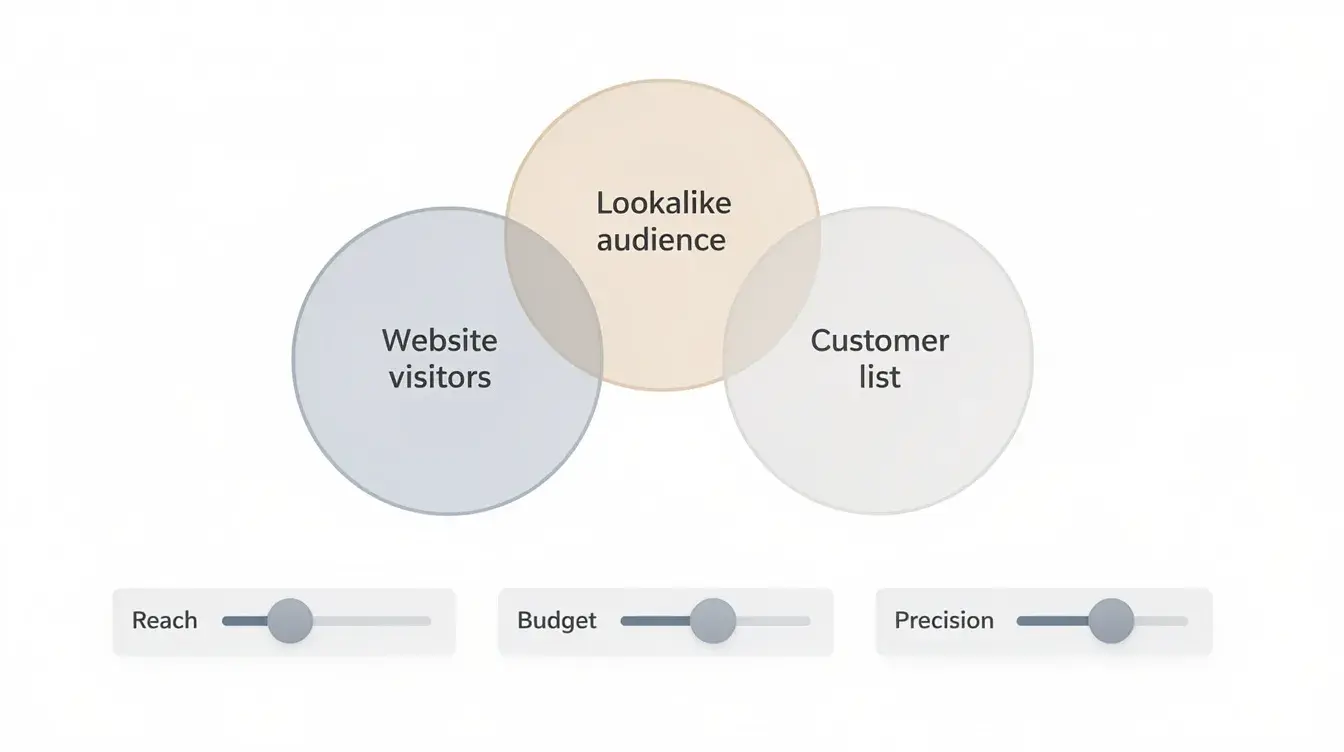
For most small and mid-size businesses in Ontario, professionally managed meta ads should be the primary scalable growth engine — supported by in-house marketing, not replaced by it. Once tracking is set up correctly, every decision should be based on CPL, acquisition cost, and ROAS. CiCon recommends the hybrid model: owners keep strategic brand control in-house while a specialist team manages meta campaigns, creative testing, and weekly performance reporting. If in-house cost per lead is higher and untracked compared to what a structured meta program can deliver, the data makes the decision easy.
CiCon can run a free ad account and analytics review for Ontario businesses — no long-term commitment required. You'll walk away with a clear picture of what your current lead costs are, where tracking is broken, and what a 90-day meta ad program would realistically look like for your specific vertical and budget.